Dyeing Naturally: A Beginner's Handbook to Vegan Hair Color
Embarking on a journey to transform your hair color can be an exciting venture, and choosing vegan hair dye like Arctic Fox adds an extra layer of consciousness to your beauty routine. In this beginner's handbook, we'll explore the world of vegan hair coloring, providing you with essential information and step-by-step guidance to achieve stunning, cruelty-free results.
Table of contents
- Understanding Vegan Hair Dyes:
- Choosing Cruelty-Free Hair Dye: A Quick Guide
- Preparing for Dyeing: Hair Health Check
- Strand Test Performing
- Choosing the Right Vegan Hair Dye
- Application Process: Step-by-Step Guide
- Timing and Processing
- Post-Dye Hair Care Routine
- Enhance Longevity and Prevent Fading
- Troubleshooting Common Issues
- Conclusion
Understanding Vegan Hair Dyes
When it comes to vegan hair dyes, the ingredients play a pivotal role in achieving vibrant colors while maintaining a cruelty-free and plant-based ethos. Let's delve into the key components to look for and potential ones to be cautious about.
Ingredients to Look For:
-
Henna:
Source:Derived from the leaves of the henna plant.
Benefits: Provides rich red tones and acts as a natural conditioner -
Indigo:
Source: Extracted from the indigofera plant.
Benefits: Contributes to blue and violet hues, often used in combination with henna for a spectrum of colors. -
Beetroot Extract:
Source: Extracted from beetroot.
Benefits: Offers natural red and pink tones, adding vibrancy to the color palette. -
Chamomile:
Source: Extracted from chamomile flowers.
Benefits: Adds golden highlights, making it ideal for those seeking warmer tones. -
Coffee:
Source: Derived from coffee beans.
Benefits: Introduces rich, dark shades while providing antioxidant properties. -
Berries (Blackberries, Blueberries):
Source: Extracted from various berries.
Benefits: Contributes to subtle, natural-looking tones, especially in shades of purple. -
Coconut Oil:
Source: Extracted from coconuts.
Benefits: Known for its moisturizing properties, coconut oil helps keep the hair hydrated during the coloring process.
Ingredients to Be Cautious About:
- PPD (Paraphenylenediamine):
- Concerns: Known to cause skin irritation and allergic reactions in some individuals. Look for alternatives if you have a history of sensitivity.
- Ammonia:
- Concerns: Often found in conventional hair dyes, ammonia can cause scalp irritation and emit strong fumes. Opt for formulas without ammonia for a gentler experience.
- Resorcinol:
- Concerns: Linked to skin irritation and potential hormone disruption. Choosing products without resorcinol aligns with a more health-conscious approach.
- Fragrance (Synthetic):
- Concerns: Synthetic fragrances may contain undisclosed chemicals. Consider products with natural scents or those labeled as fragrance-free if you have sensitivities.
- Hydrogen Peroxide:
- Concerns: While commonly used to lighten hair, excessive use of hydrogen peroxide can lead to dryness and damage. Opt for formulas with lower concentrations or alternatives like lemon juice for gentle lightening.
Choosing Cruelty-Free Hair Dye: A Quick Guide
When selecting hair dye, look for cruelty-free certifications like Leaping Bunny or PETA's Beauty Without Bunnies. These labels assure you that the product hasn't been tested on animals.
Why it Matters:
- Ethical Choice: Avoiding animal testing is a compassionate decision, preventing unnecessary harm to animals.
- Market Impact: Your choices influence the beauty industry, promoting ethical practices and encouraging alternatives to animal testing.
- Empowerment: Recognizing cruelty-free labels empowers you to make informed, ethical choices aligned with your values.
How to Verify:
- Check Labels: Look for visible cruelty-free logos on product packaging.
- Certification: Common certifications include Leaping Bunny, PETA, and Choose Cruelty-Free.
By choosing cruelty-free hair dye, you actively contribute to a kinder beauty industry and support brands committed to ethical practices.
Preparing for Dyeing: Hair Health Check
Before applying any hair dye, it's essential to evaluate the current condition of your hair. This preliminary step involves assessing its health and addressing any existing damage or dryness. Here's why this "Hair Health Check" is crucial:
Assessing Current Condition
- Why: Hair can vary in health due to factors like environmental exposure, previous treatments, or daily styling practices.
- Importance: Understanding your hair's current state helps tailor the dyeing process to its specific needs.
Addressing Damage or Dryness
- Why: Damaged or dry hair may absorb color unevenly, affecting the final result.
- Importance: Pre-treating any issues ensures the hair is in the best possible condition to receive and retain the color evenly.
Ensuring Optimal Results
- Why: Healthy hair is more receptive to color and tends to hold it better.
- Importance: Addressing damage or dryness sets the stage for a successful dyeing experience, enhancing the vibrancy and longevity of the chosen color.
How to Perform a Hair Health Check:
- Look and Feel: Assess the texture and flexibility of your hair. Healthy hair should feel smooth and have some elasticity.
- Moisture Levels: Check for dryness by examining the moisture levels. Dry hair may lack shine and feel brittle.
- Split Ends and Breakage: Inspect for split ends and breakage. Trim any split ends, and consider a deep conditioning treatment for added moisture.
- Scalp Condition: Evaluate your scalp's health. Address any issues like dandruff or irritation before applying hair dye.
- Previous Treatments: Consider any recent chemical treatments or color applications. If your hair has undergone treatments, it's essential to factor this into your hair health assessment.
Benefits of a Hair Health Check
- Even Color Absorption: Healthy hair ensures that the color is absorbed evenly, preventing patchiness or uneven results.
- Longer Lasting Color: Addressing damage or dryness promotes color longevity, allowing you to enjoy your new hair color for an extended period.
- Reduced Risks: Preparing your hair in advance minimizes the risk of adverse reactions or unexpected outcomes during the dyeing process.
Strand Test Performing
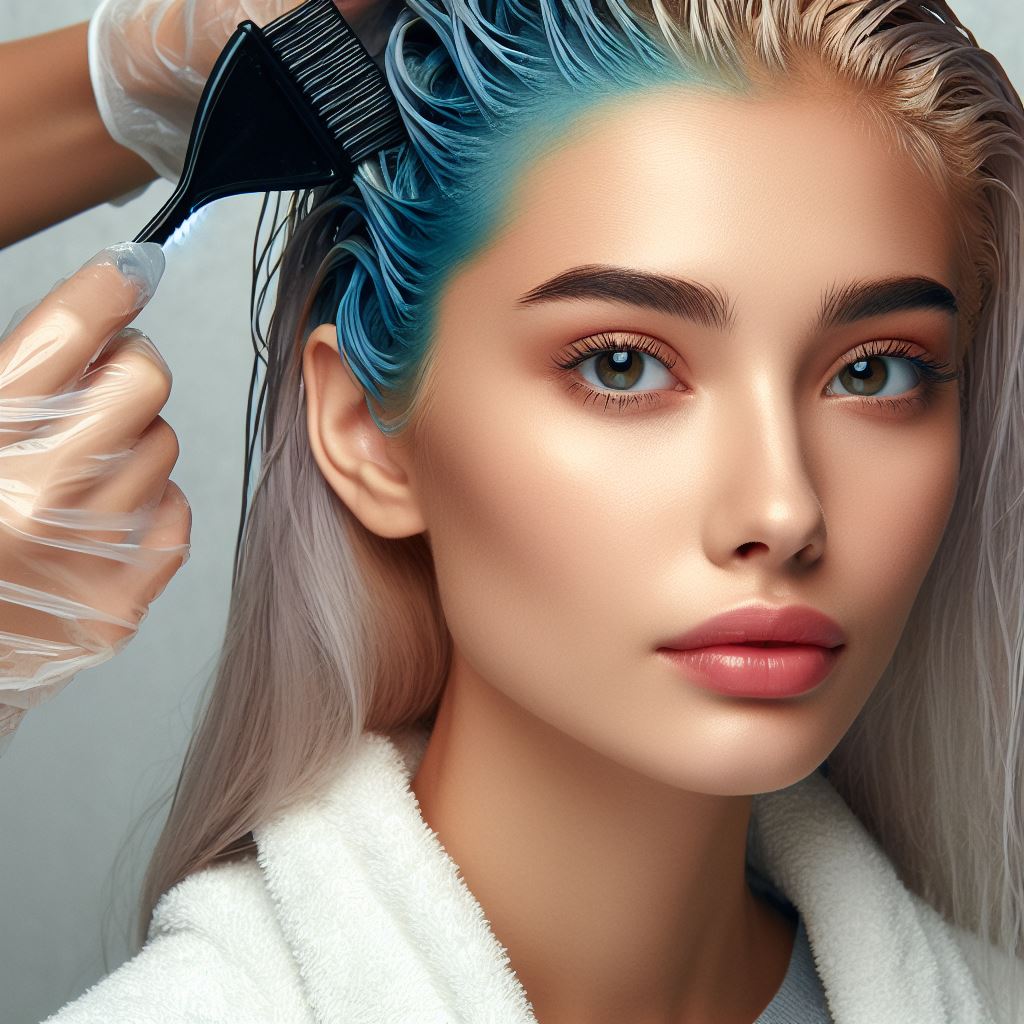
A strand test is a vital step in the hair dyeing process that involves applying a small amount of dye to a small section of hair. This test is crucial for two main reasons:
1. Anticipating Color Interaction:
Why: Hair can react differently to color due to various factors, including its natural shade and condition.
Importance: The strand test allows you to observe how the chosen color interacts with your specific hair, helping you anticipate the final result more accurately.
2. Avoiding Surprises:
Why: Colors may appear differently on the hair than they do in the product container or on the packaging.
Importance: The strand test helps you avoid unexpected outcomes, ensuring that the final color aligns with your expectations.
How to Perform a Strand Test:
- Select a Small Section: Choose a discreet section of hair, typically from behind your ear, to perform the test.
- Apply the Dye: Follow the dye application instructions on a small portion of the chosen hair section.
- Observe the Result: Monitor how the color develops on the test strand. This may take the same amount of time specified for a full application.
- Compare with Expectations: Assess whether the result matches the expected color. This helps you make any necessary adjustments before applying the dye to your entire hair.
Benefits of a Strand Test:
- Color Accuracy: The test provides a realistic preview of how the color will appear on your hair, helping you make informed decisions.
- Preventing Disappointment: By identifying any discrepancies between the expected and actual results early on, you can make adjustments or choose a different shade if needed.
- Understanding Processing Time: The strand test also gives insights into how long the dye needs to process for optimal results.
In summary, a strand test is a proactive measure to ensure that the chosen hair color aligns with your expectations. By conducting this small-scale trial, you can anticipate potential variations in color interaction and make adjustments to achieve the desired outcome when applying the dye to your entire hair.
Choosing the Right Vegan Hair Dye
When it comes to choosing the right vegan hair dye explore the color options and explore the color optionns. This way you can find the ones that best fit your sking tone, and resonate with you. By readin the labels you can make informed choices and make sure that the ingredients used don't contain anything that might be potentially allergenic for you or irritate you some other way. This also ensure you can opt for dyes that align with your values.
Application Process: Step-by-Step Guide
- Prepare the Dye Mixture:
- Follow the specific instructions provided by the vegan hair dye product. This typically involves mixing the dye with any required activators or developers.
- Ensure accurate measurements and ratios, as these contribute to achieving the desired color and preventing uneven results.
- Tailor Application Technique:
- Consider your hair's length and type when deciding how to apply the dye. For shorter hair, sections may be easier to manage, while longer hair may require more strategic application.
- Use tools like brushes or applicator bottles provided in the dye kit for precise and controlled application.
- Begin applying the dye from the roots and work your way towards the ends, ensuring all strands are thoroughly coated.
- Ensure Even Distribution:
- Massage the dye into your hair gently to guarantee even distribution.
- Pay extra attention to areas where color absorption may vary, such as the back of the head or areas with different hair textures.
- Wait for Development:
- Follow any additional instructions regarding the time you should leave the dye on your hair. This may vary depending on the specific product and the intensity of color desired.
- Rinse as Directed:
- Once the processing time is complete, rinse your hair thoroughly according to the provided instructions.
- Use lukewarm water to help prevent color bleeding and maintain the vibrancy of the dye.
- Apply Conditioner:
- If the dye kit includes a conditioner, use it as directed. This helps to seal the color and enhance the overall health and shine of your hair.
Timing and Processing
- Adhere to Recommended Processing Times:
- Follow the guidelines provided by the vegan hair dye product regarding how long the dye should process on your hair. This duration is crucial for achieving the desired color intensity.
- Importance of Timing
- Processing times are carefully determined to allow the pigments in the dye to penetrate the hair shaft without causing excessive damage.
- Adhering to the recommended time ensures optimal color development while minimizing the risk of over-processing, which can lead to dryness and damage.
- Avoid Exceeding Processing Time:
- It's essential not to exceed the recommended processing time, as this may compromise the health of your hair without significantly enhancing color intensity.
- Set a timer or keep track of the time to ensure precision in following the instructions.
- Monitor Color Development:
- During the processing time, you may want to check the color periodically to gauge its development. This can help you decide whether to rinse the dye earlier or allow it to process for the full recommended duration.
- Rinse Thoroughly:
- Once the processing time is complete, rinse your hair thoroughly to remove the dye and stop the color development process.
By meticulously following this step-by-step guide and adhering to recommended processing times, you maximize the likelihood of achieving vibrant, even, and long-lasting results while maintaining the health of your hair.
Post-Dye Hair Care Routine
Maintain your vibrant color with the right aftercare. Choose shampoos and conditioners specifically designed for color-treated hair to enhance longevity and prevent fading.
After coloring your hair with vegan dye, maintaining the vibrancy of the color and ensuring its longevity involves a tailored post-dye hair care routine. Here's a breakdown of what this means:
Maintain Vibrant Color
The vibrant color achieved through the dyeing process needs careful maintenance to stay vivid and attractive.
By following a post-dye hair care routine, you actively contribute to preserving the integrity of the color, preventing premature fading, and extending the life of your chosen shade.
Choose Color-Treated Hair Products
Color-treated hair has specific needs, and using products designed for this purpose is essential.
Shampoos and conditioners formulated for color-treated hair help to preserve the dye's vibrancy, prevent fading, and maintain the health of your hair. These products often contain ingredients that nourish and protect colored strands.
Enhance Longevity and Prevent Fading
Color fading is a common concern after dyeing hair. The right aftercare routine can mitigate this issue.
By choosing products specifically designed for color-treated hair, you enhance the longevity of the color, ensuring that it remains vibrant for an extended period. These products typically contain UV filters and antioxidants that shield the hair from external factors that contribute to fading.
Steps in the Post-Dye Hair Care Routine:
- Use Color-Safe Shampoo:
- Why: Color-safe shampoos are formulated with gentle cleansers that won't strip away the dye. They help maintain the color while keeping the hair clean.
- Condition with Color-Treated Conditioner:
- Why: Color-treated conditioners provide added moisture and protection. They work to prevent dryness and maintain the hair's health and shine.
- Limit Washing Frequency:
- Why: Frequent washing can contribute to color fading. Consider washing your hair less frequently, especially with color-safe products, to preserve the color.
- Avoid Hot Water:
- Why: Hot water can strip away the color and contribute to dryness. Opt for lukewarm or cool water during hair washing to minimize color loss.
- Protect Hair from UV Exposure:
- Why: UV rays can fade hair color. If spending prolonged periods in the sun, consider using hats or hair products with UV protection.
- Deep Conditioning Treatments:
- Why: Periodic deep conditioning treatments nourish and moisturize color-treated hair, preventing dryness and maintaining vibrancy.
- Avoid Harsh Styling Products:
- Why: Some styling products may contain harsh chemicals that can contribute to color fading. Choose products that are gentle and formulated for color-treated hair.
Benefits of a Post-Dye Hair Care Routine:
- Preserves Vibrancy: The routine actively works to preserve the vibrancy of the color, ensuring that it remains as vivid as when first applied.
- Prevents Premature Fading: By using products specifically designed for color-treated hair and adopting protective measures, the routine helps prevent premature fading.
- Maintains Hair Health: The aftercare routine not only preserves the color but also contributes to overall hair health, preventing dryness and damage.
A post-dye hair care routine is crucial for maintaining the vibrancy of your vegan hair color. Choosing the right products and adopting protective measures help prevent fading, preserve the color, and contribute to the overall health and longevity of your colored hair.
Troubleshooting Common Issues
As you embark on your hair dyeing quest you might face few issues. Here are some of the most common issues you might face and how to troubleshoot them.
Dealing with Uneven Color:
Uneven color distribution can occur due to various factors, such as inconsistent application or differences in hair texture. Addressing uneven color is essential to achieve a balanced and cohesive look.
Steps to Deal with Uneven Color:
- Identify the Cause: Determine what caused the uneven color. This could be due to varying processing times, uneven application, or other factors.
- Adjust Application Technique: If the unevenness is attributed to application, consider adjusting your technique. Ensure even distribution of the dye during future applications.
- Seek Professional Advice: If the issue persists or is challenging to resolve on your own, seeking advice from a professional colorist can provide tailored solutions.
Addressing Allergic Reactions
Allergic reactions can manifest as redness, itching, or swelling and require immediate attention.Promptly addressing allergic reactions is crucial to prevent further discomfort and ensure your well-being.
Steps to Address Allergic Reactions:
- Consult a Healthcare Professional: If you experience any allergic reactions, consult a healthcare professional immediately. They can guide necessary treatments or medications.
- Patch Tests: To prevent allergic reactions in the future, conduct patch tests before using any hair dye. This helps identify potential sensitivities and avoid adverse reactions.
Tips for Color Correction
If the final color isn't as expected, color correction techniques can help remedy the situation. Knowing how to correct color-related issues allows you to adjust or modify the result to align with your preferences.
Tips for Color Correction:
- Seek Professional Advice: Experienced colorists can provide insights and solutions for color correction. Consulting with a professional ensures a targeted and effective approach.
- Use Color-Correcting Products Cautiously: Color-correcting shampoos, conditioners, or treatments can help neutralize unwanted tones. However, use them cautiously, as excessive or improper use may lead to unintended results.
Benefits of Troubleshooting
Achieve Desired Results: Addressing uneven color, allergic reactions, or unexpected outcomes allows you to achieve the desired results from your hair dyeing experience.
Prevent Future Issues: By understanding and addressing common issues, you can take preventive measures in future dyeing sessions, ensuring a smoother and more successful process.
Professional Guidance: Seeking professional advice when needed ensures that challenges are addressed effectively, minimizing the risk of further complications.
Lastly, if your hair color doesn't turn out quite like you expected, don't panic! There are plenty of ways to fix it. Whether you seek advice from experienced colorists or try out some color-correcting products, you've got options. Just remember to take it easy and approach the situation with a positive attitude. You've got this!
Conclusion
In embracing vegan hair dyeing, you not only achieve a stunning new look but also contribute to a more ethical and sustainable beauty industry. Armed with the knowledge and steps outlined in this handbook, you're ready to embark on a colorful journey that aligns with your values and enhances your natural beauty. Happy dyeing!