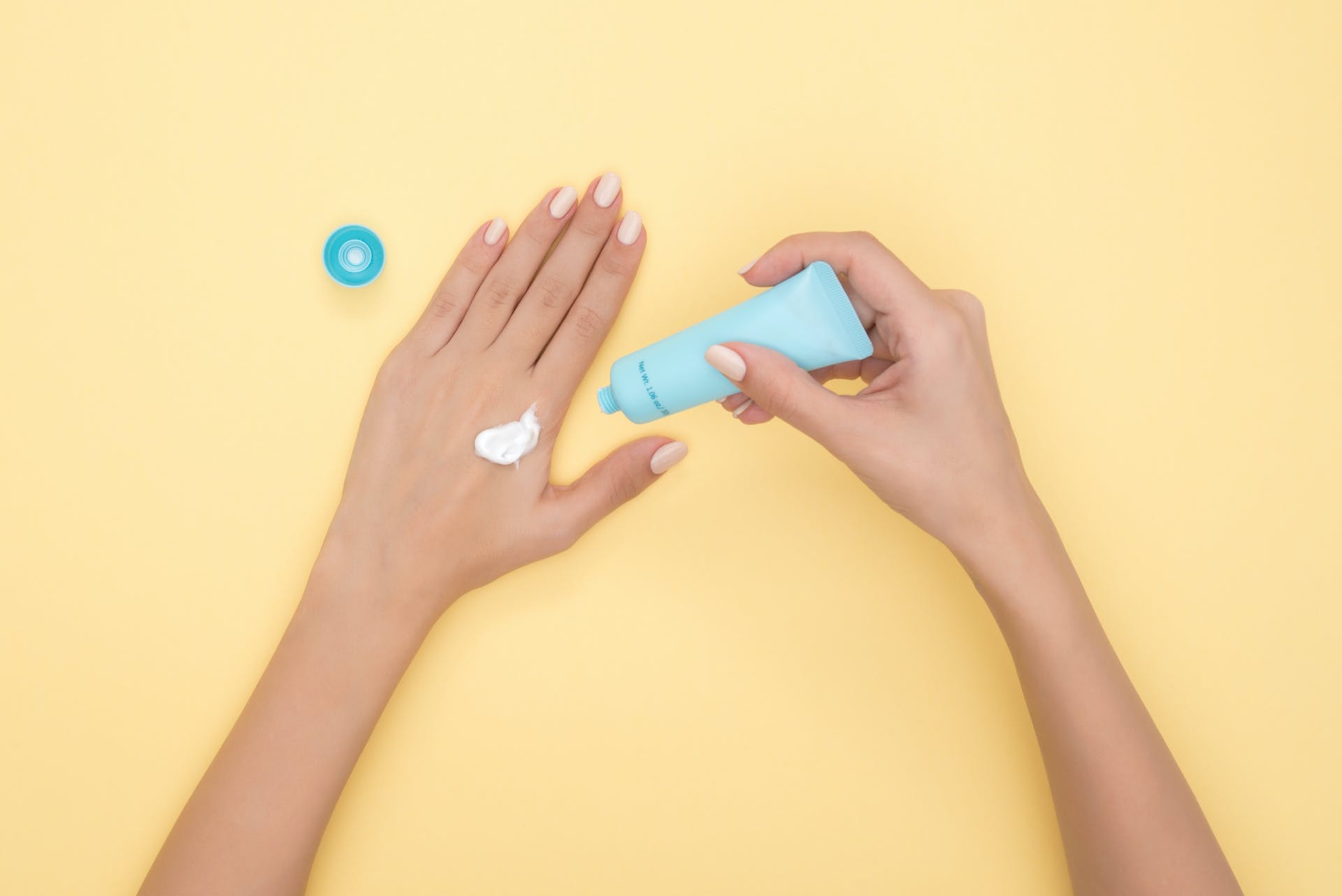
The Hydration Haven: Getting to Know the World of Moisturizers
The secret to glowing, radiant skin lies deep within your skincare routine. At the heart of it all, there's a small but mighty superhero—moisturizer—that works wonders for your dermis. Ready to rid your skin of dryness? Let’s dive into the wondrous world of moisturizers.
Table of contents
Understanding Skin's Thirst: The Role of Moisturizers
Moisturizers are akin to a sip of water for your coats—the first line of defense against harsh weather conditions and harmful environmental factors. They seal in hydration and prevent evaporation, keeping your exterior hydrated and nourished. From those with oily complexions who fear overcompensating their natural oils, to those donning parched skins craving extra hydration, moisturizers cater to all types.
Decoding Ingredients: What Makes Up a Moisturizer?
Peering at the labels may seem daunting with names that appear straight out from a sci-fi movie. Fear not! Key ingredients often include:
- Hyaluronic acid—a mega hydrator—and ceramides that cut across multiple layers to provide moisture and repair skin barriers.
- Emerging Squalane is another potent hydrator.
- Glycerin, which keeps skin’s fatty components healthy.
- Retinol promotes collagen production.
- Peptides trigger the healing process in spots or sunburns.
Types of Moisturizers: Lotions, Creams, Ointments
There are several types—gels for oily skin owing their light content, lotions well-balanced for most types but especially favoring combination, creams that best satiate dry complexions with thicker composition while ointments help severely parched or damaged conditions by offering heavy-duty protection and repair.
Lotions: The Balanced Hydrators
Lotions are the middle ground in the world of moisturizers. Usually water-based, they have a lighter texture compared to creams but provide more hydration than gels. They absorb quickly and usually leave no greasy residue, making them suitable for normal or combination skin type. They also work well for oily skin during dryer seasons.
Creams: Heavy-duty Hydration Heroes
Creams typically contain more oil than lotions and thus present a thicker texture. Their high hydration quotient makes them ideal for people with dry or mature skin types, as these skins often require additional moisture. Although heavier on application, they soak into the skin efficiently to bestow long-lasting softness and moisture.
Hydrating Ointments: The Deep Divers
Ointments consist of the highest oil concentration providing maximum hydration. Because of their intensive moisturisation capabilities, they're best recommended for extremely dry or damaged skins that crave extra care and hydration. Besides keeping your skin moist, they form an efficient barrier to environmental factors and prevent further skin damage.
Top Recommended Moisturizers for Each Skin Type
Neutrogena Hydro Boost Water Gel
Neutrogena's Hydro Boost Water Gel is a star performer for oily skin types. It is water-based and non-comedogenic, meaning it won't block pores, leading to fewer breakouts. Infused with hyaluronic acid, it helps retain optimal moisture levels in the skin while ensuring a fresh and non-greasy finish.
CeraVe Moisturizing Lotion
A boon for those with combination skin, CeraVe Moisturizing Lotion offers a balanced blend of hydration without overwhelming any particular area of your face. It uses MVE Delivery Technology that provides a controlled release of its ingredients throughout the day for lasting moisture.
La Roche-Posay Toleriane Double Repair
Catering to ashy complexions requiring intensive care, La Roche-Posay Toleriane Double Repair moisturizes for up to 48 hours. It's also packed with prebiotic thermal water, ceramides, niacinamide and glycerine – all excellent ingredients for restoring healthy-looking skin.
Eucerin Advanced Repair Cream
Eucerin Advanced Repair Cream is perfect for extremely dry or damaged skin conditions with its ceramide-rich formula and NMFs (Natural Moisturizing Factors) ingredients. It offers dermatologically-approved intensive moisturization while exfoliating rough patches and improving skin texture over time.
How To Choose The Right Moisturizer For You
Consider factors like your age, climate of residence, specific conditions (Eczema, Psoriasis) and personal triggers when selecting. Navigate through labels look for ‘non-comedogenic’, ‘hypoallergenic’, ‘fragrance-free’ depending on sensitivity levels to certain ingredients.
FAQs About Moisturizing
It's best to apply moisturizer twice daily – once in the morning before applying makeup and again at night after cleansing your face. Use upward strokes to stimulate blood flow and enhance absorption.
For oily skin, choose a lightweight, oil-free moisturizer. Look for labels like "non-comedogenic" to ensure it won't clog your pores.
While you can use a facial moisturizer on your body, body lotions may be too heavy for the face. It's recommended to use a separate, more lightweight moisturizer on your face.
If your daily moisturizer doesn't contain SPF, it's a good idea to use a separate sunscreen to protect your skin from UV rays.
A pea-sized amount is usually sufficient for your face. Adjust the quantity based on your skin's needs, but avoid over-applying as it may lead to a greasy feel.
Yes, applying moisturizer after a serum is a common skincare routine. Serums provide concentrated ingredients, and moisturizers lock in moisture and help seal in the benefits of the serum.
For sensitive skin, opt for fragrance-free and hypoallergenic moisturizers. Look for ingredients like ceramides, hyaluronic acid, or aloe vera, which can soothe and hydrate sensitive skin.
Look for moisturizers containing ingredients like retinol, hyaluronic acid, and antioxidants such as vitamin C. These ingredients can help with fine lines, wrinkles, and overall skin firmness.
Yes, but choose a non-comedogenic moisturizer that won't clog pores. Ingredients like salicylic acid or hyaluronic acid can be beneficial for acne-prone skin.
Conclude Luxury Into Your Pores: The Love Affair With Moisturizers
Ultimately, the commitment to moisturizing routinely will be a boon for your skin’s health and luminosity. Investing in proficient-quality skincare products anchors a sublime self-care practice celebrating the relationship between beauty and wellness.
Remember: Your skin tells your story—keep it hydrated.